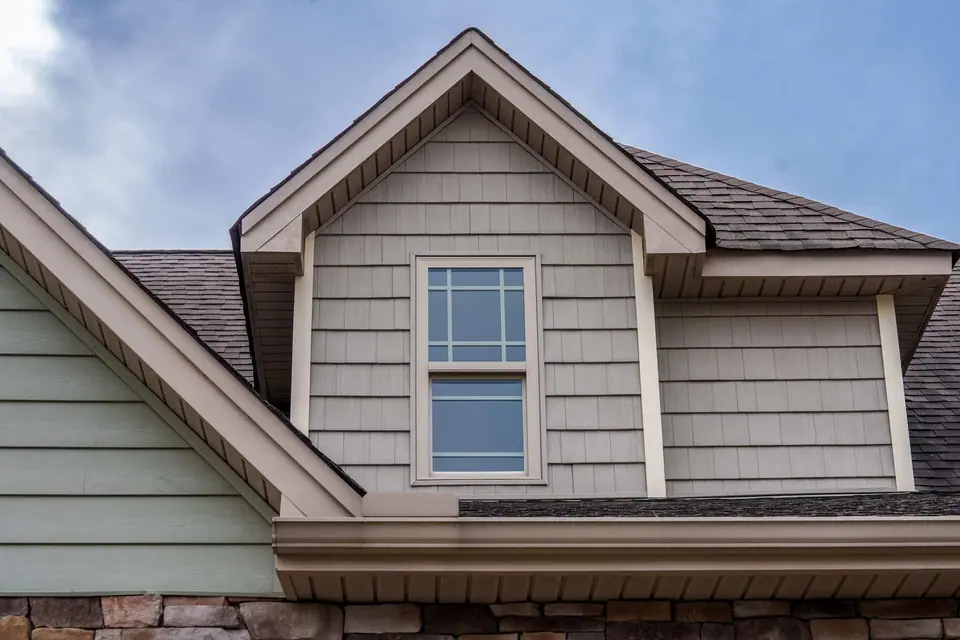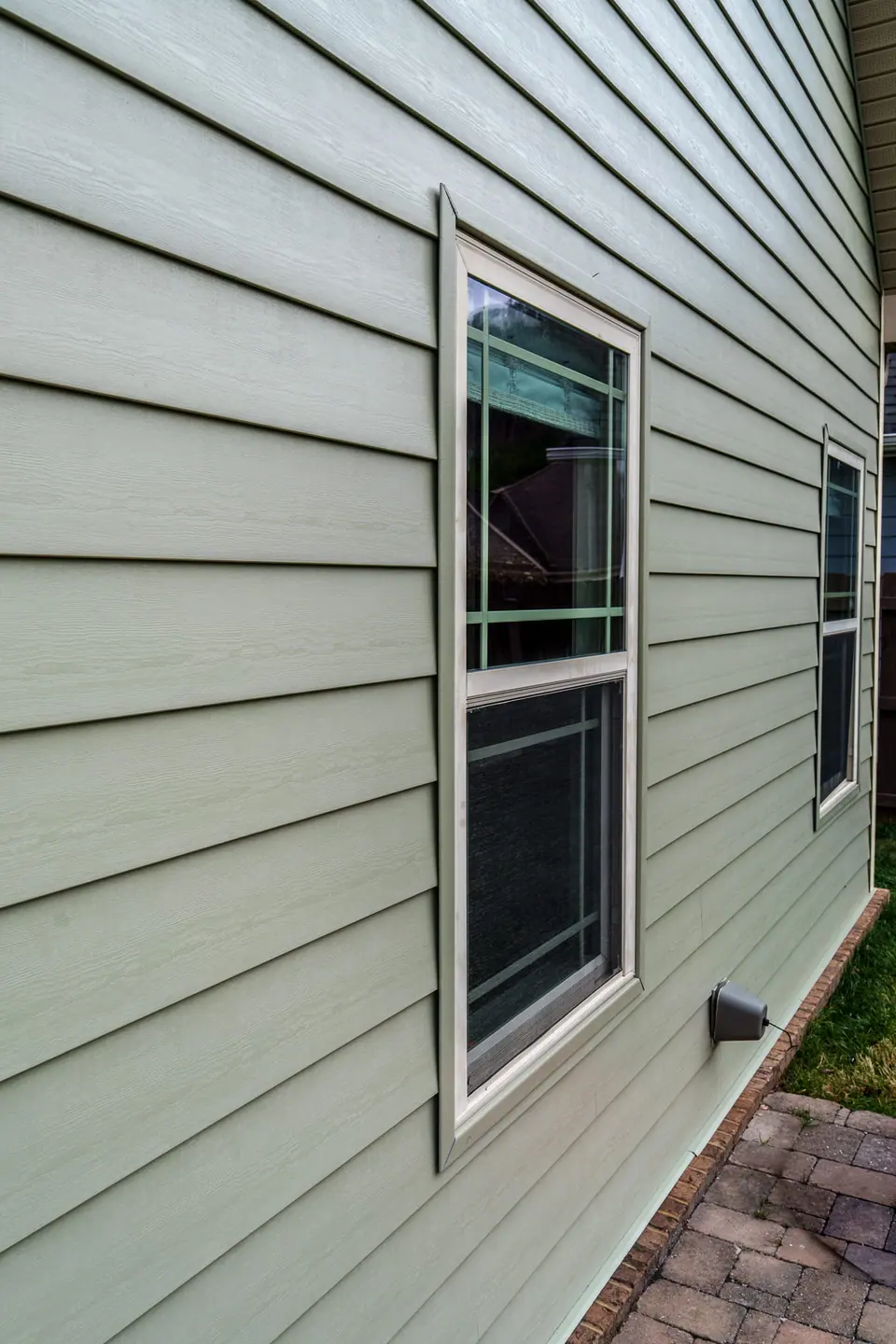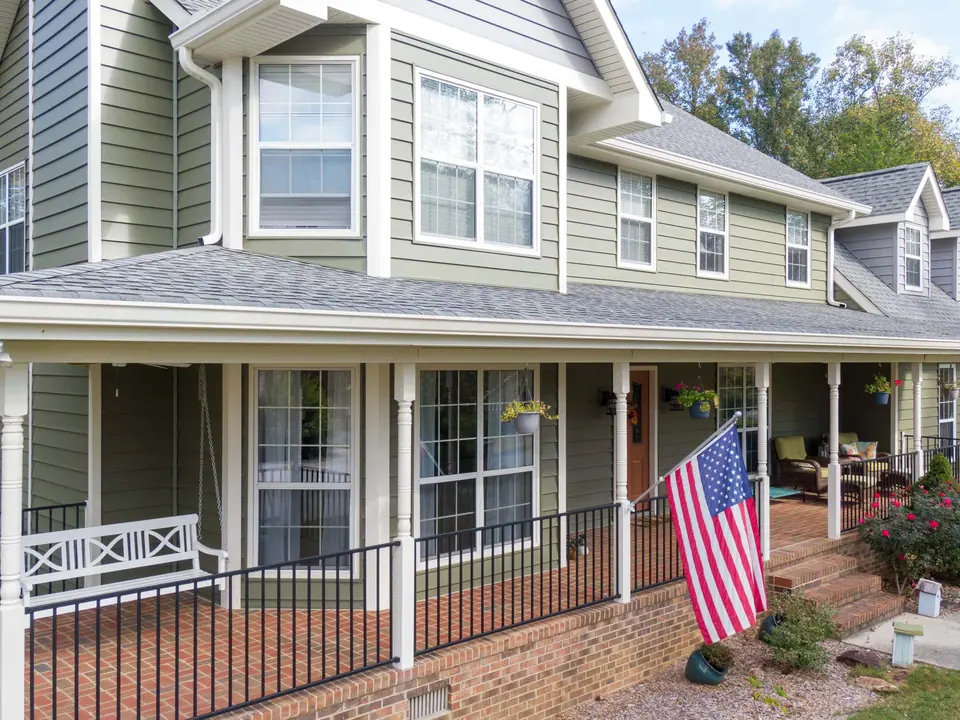
2026 Siding Comparison Guide for Chattanooga Homeowners
Quick answer: For Chattanooga homes in 2026, vinyl is the most affordable siding (about $18,000–$25,000 for a typical home, 20–30 years), Craneboard insulated vinyl adds strength and insulation ($25,000–$35,000), James Hardie fiber cement gives a wood-like look and long life but needs repainting ($32,000–$45,000, 30–50 years), and Everlast composite costs the most but never needs painting and holds up best to our humidity ($38,000–$50,000, 40+ years). The best choice depends on your budget, how long you’ll stay, and how much maintenance you’re willing to do.
If you’re replacing siding in Chattanooga in 2026, you’re not just choosing a color.
You’re choosing:
- Durability in Tennessee humidity
- Long-term maintenance commitment
- Energy efficiency
- Curb appeal
- Resale value
And the four materials homeowners most commonly compare are:
- Traditional Vinyl Siding
- Insulated Vinyl (Craneboard)
- Fiber Cement (James Hardie)
- Composite Siding (Everlast)
Let’s break down how each performs specifically in the Chattanooga climate.
First: Why Climate Matters in Chattanooga
Chattanooga sees:
- High humidity
- Significant rainfall
- Strong UV exposure
- Occasional freeze-thaw cycles
- Heavy pollen seasons
These conditions affect siding differently than in dry western climates. Moisture management and expansion/contraction resistance are critical here.
1. Traditional Vinyl Siding
Standard vinyl siding is made from PVC plastic panels that overlap and lock together. It’s lightweight, affordable, and widely used across Southeast Tennessee.
Pros
- Lowest upfront cost
- Wide color selection
- Minimal maintenance
- No painting required
Cons
- Can warp in extreme heat
- Hollow sound when tapped
- Limited insulation value
- Susceptible to cracking in impact
Cost in Chattanooga (2026)
Average home:
$18,000–$25,000 depending on size and tear-off complexity.
Lifespan
20–30 years if properly installed.
2. Craneboard (Insulated Vinyl)
Craneboard is essentially upgraded vinyl siding with rigid foam insulation bonded to the back of each panel.
Pros
- Improved energy efficiency
- Increased impact resistance
- Reduced noise
- More rigidity than standard vinyl
- Better wall “feel” (less hollow)
Cons
- Higher cost than standard vinyl
- Still PVC-based
- Can still expand/contract in heat
Cost in Chattanooga (2026)
$25,000–$35,000
Lifespan
25–35 years
Best For:
Homeowners wanting better performance without stepping into fiber cement pricing. If you’re near Signal Mountain, see how Craneboard siding benefits homes in the area.
3. Fiber Cement (James Hardie)
James Hardie is one of the most recognized names in fiber cement siding.
Fiber cement is made from cement, sand and cellulose fibers. It’s engineered to mimic wood but resist moisture and pests. Wondering about upkeep? Find out whether Hardie siding is truly maintenance-free.
Pros
- Extremely durable
- Excellent fire resistance
- Strong wind resistance
- Holds paint well
- Excellent curb appeal
Cons
- Heavier material
- Requires professional installation
- Needs repainting over time
- Higher labor costs
Cost in Chattanooga (2026)
$32,000–$45,000
Lifespan
30–50 years
Important Chattanooga Consideration
Fiber cement handles humidity well — but installation quality is critical. Improper flashing or moisture detailing can lead to issues over time.
When installed correctly, it’s one of the most durable materials available.
4. Composite Siding (Everlast)
Everlast Composite Siding is a newer-generation composite siding made from a proprietary blend of polymeric materials and mineral fillers.
It was designed to eliminate the weaknesses of both vinyl and fiber cement.
Pros
- Extremely resistant to moisture
- No painting required
- Will not rot, swell or crack
- Strong impact resistance
- Minimal expansion/contraction
- Long color retention
Cons
- Higher upfront investment
- Premium product positioning
Cost in Chattanooga (2026)
$38,000–$50,000
Lifespan
Often marketed as lifetime-performance product when properly installed. See how it stacks up in our real Chattanooga case study comparing Everlast, vinyl, and James Hardie.
Side-by-Side Comparison
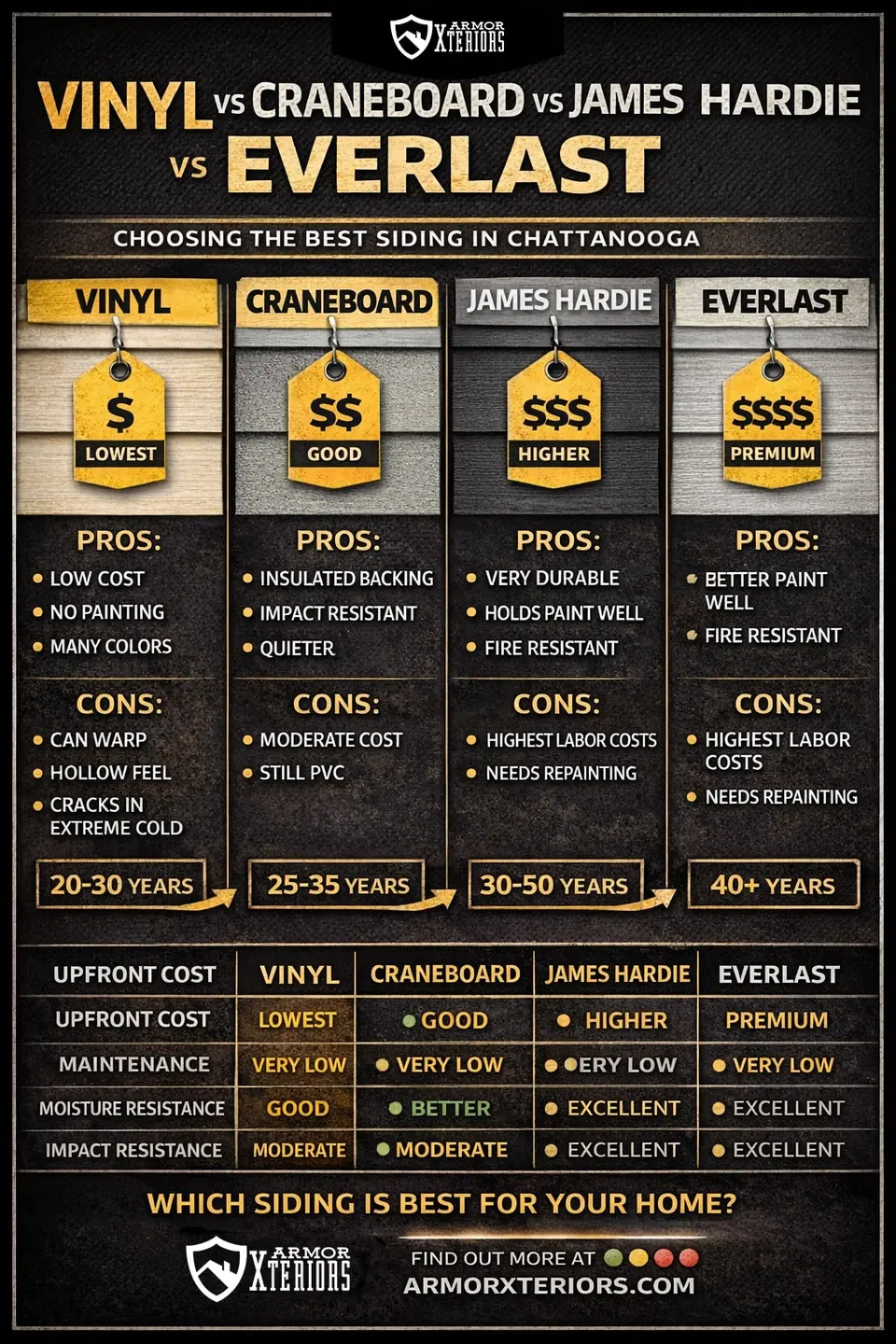
| Feature | Vinyl | Craneboard | James Hardie | Everlast |
|---|---|---|---|---|
| Upfront Cost | Low | Medium | High | High |
| Maintenance | Very Low | Very Low | Repaint Eventually | Very Low |
| Moisture Resistance | Good | Better | Excellent | Excellent |
| Impact Resistance | Moderate | Good | Very Good | Excellent |
| Expansion/Contraction | Moderate | Moderate | Minimal | Minimal |
| Lifespan | 20–30 yrs | 25–35 yrs | 30–50 yrs | 40+ yrs |
The Long-Term Cost Perspective
Vinyl may cost less today — but:
- Insulation performance is limited
- Impact damage repairs may occur
- Resale perception may differ
Fiber cement may cost more upfront — but it significantly upgrades curb appeal.
Composite siding like Everlast costs more initially but may eliminate repainting cycles and moisture concerns entirely.
Over 30 years, repainting fiber cement alone can add thousands in maintenance.
Curb Appeal & Resale in Chattanooga
In neighborhoods like:
- Ooltewah
- East Brainerd
- Signal Mountain
- Northshore
Higher-end siding materials can increase perceived home value.
James Hardie and Everlast often photograph better in listings and create stronger first impressions.
So Which Should You Choose?
Choose Traditional Vinyl If:
- Budget is primary concern
- You plan to move within 5–10 years
Choose Craneboard If:
- You want better energy efficiency
- You want a sturdier vinyl feel
Choose James Hardie If:
- You want a premium wood-look aesthetic
- You’re comfortable repainting over decades
Choose Everlast If:
- You want long-term durability
- You want minimal lifetime maintenance
- You plan to stay in your home long term
Siding Comparison: Frequently Asked Questions
Vinyl vs. Hardie siding: which is better?
It depends on your priorities. Vinyl costs less and never needs painting, but it’s thinner and can crack or warp. James Hardie fiber cement is thicker, more impact- and fire-resistant, and looks more like real wood, but it costs more to install and needs repainting about every 10–15 years.
Is Hardie siding worth the extra cost over vinyl?
For homeowners who plan to stay long term and want a premium look, often yes. If budget is the top priority or you plan to sell within a few years, vinyl or insulated vinyl usually makes more sense.
Everlast vs. Hardie plank: what’s the difference?
Both are premium, wood-look sidings. Hardie is fiber cement and needs periodic repainting and careful moisture detailing. Everlast is a composite that’s color-through, so it never needs painting, and it doesn’t absorb water, which is a big advantage in Chattanooga’s humidity. Everlast costs more up front. See our Everlast vs. vinyl vs. Hardie case study.
What is the best siding for humid climates like Chattanooga?
Siding that sheds water and doesn’t absorb it performs best. Everlast composite and insulated vinyl handle moisture very well. Fiber cement performs well when it’s installed and flashed correctly. Installation quality matters as much as the brand.
What is the cheapest siding option?
Standard vinyl has the lowest upfront cost, typically about $18,000–$25,000 for a Chattanooga home in 2026.
How long does each type of siding last?
Vinyl typically lasts 20–30 years, insulated vinyl 25–35 years, James Hardie 30–50 years, and Everlast 40+ years, depending on installation and upkeep.
Final Thought for Chattanooga Homeowners
The best siding isn’t the most expensive.
It’s the one that fits:
- Your time horizon
- Your maintenance tolerance
- Your long-term financial strategy
In Chattanooga’s humid climate, moisture management and installation quality matter more than brand alone.
If you’re comparing vinyl, Craneboard, James Hardie, or Everlast for your Chattanooga home, the right answer depends on your budget, timeline, and long-term goals.
Schedule your free in-home siding consultation today and get a detailed, side-by-side comparison tailored to your home — not a sales pitch, just clear answers and real numbers.
Thinking about your own project?
Get a free, no-pressure estimate from Chattanooga's locally owned exterior remodeler.