
chattanooga siding company Siding Articles

Do You Have Questions About Replacing Your Homes Siding? Well, Armor Xteriors of Chattanooga Has Your Answers.

How Much Does It Cost to Replace or Repair Siding in Chattanooga? (2026 Prices)

Quick answer: In 2026, replacing the siding on a typical Chattanooga home costs about $18,000 to $25,000+ for standard vinyl, $25,000 to $35,000+ for insulated vinyl such as Craneboard, $32,000 to $45,000+ for James Hardie fiber cement, and $38,000 to $50,000+ for Everlast composite. Siding repairs are much smaller jobs. Most small repairs run about $350 to $1,500, and repairs that involve rotted sheathing or framing behind the siding often run $1,500 to $5,000 or more.

The real number for your home depends on its size, how many stories it has, what has to be torn off, and what we find underneath. Below is how pricing works in the Chattanooga area, what drives the cost up or down, and how to decide whether to repair or replace.

2026 Siding Replacement Costs in Chattanooga

Siding type Typical installed cost (whole home) Expected lifespan Maintenance
Standard vinyl $18,000 – $25,000 20 – 30 years Wash occasionally
Insulated vinyl (Craneboard) $25,000 – $35,000 25 – 35 years Wash occasionally
James Hardie fiber cement $32,000 – $45,000 30 – 50 years Repaint every 10–15 years
Everlast composite $38,000 – $50,000 40+ years No painting

These ranges are for a full tear-off and replacement on a typical Chattanooga-area home, including trim, house wrap, and disposal. Smaller ranch homes can come in under these ranges, and large two-story homes with lots of trim can go over. For a deeper look at each material, see our 2026 Siding Comparison Guide.
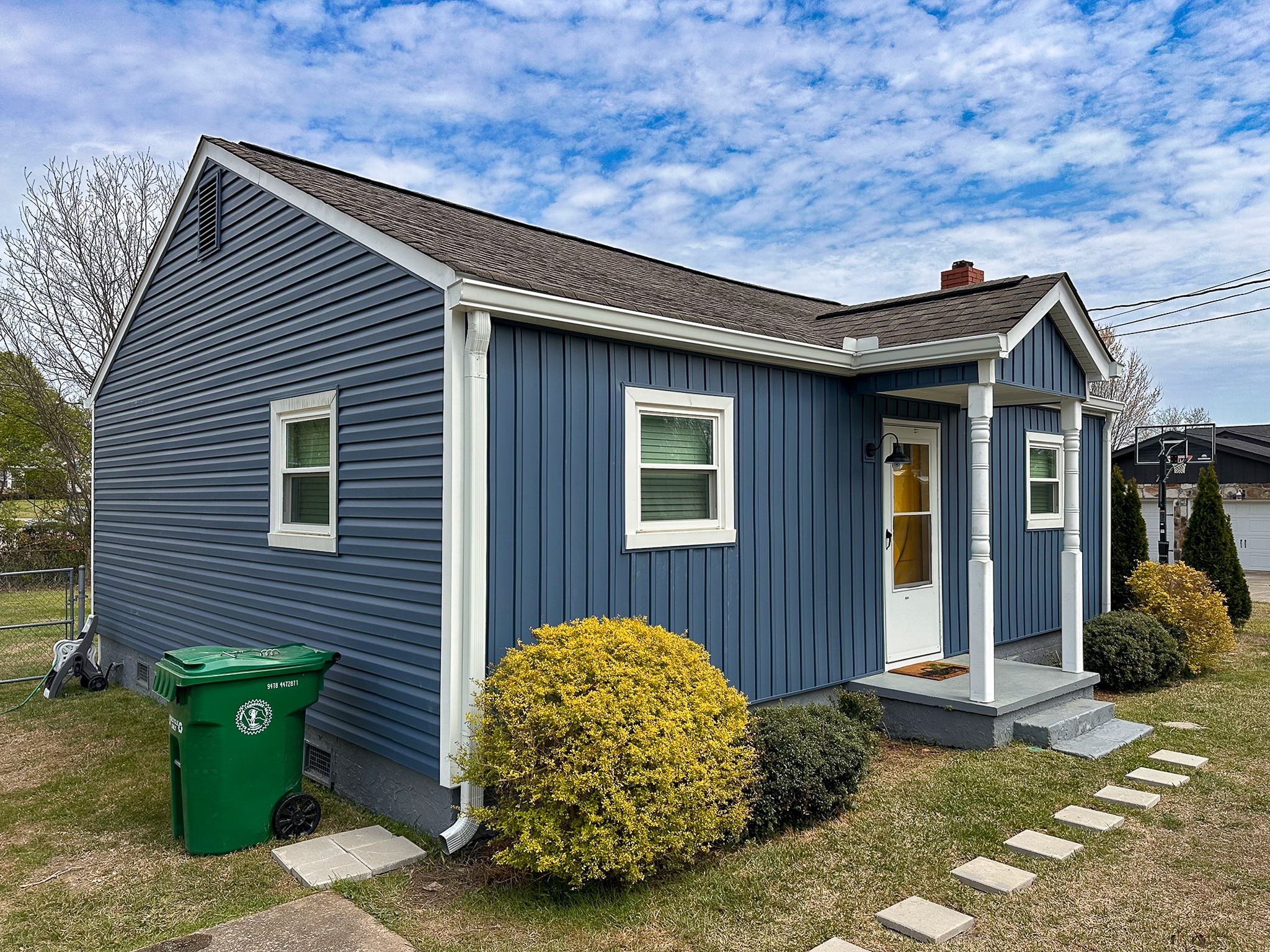
chattanooga siding installers

What Affects the Cost of New Siding?

  • Size of the home. Siding is priced by the “square” (100 square feet of wall). More wall area means more material and labor.
  • Stories and slope. Two-story homes and homes built into hillsides, which are common in Hixson, Red Bank, and on Signal Mountain, need more staging and safety setup.
  • Tear-off. Removing old vinyl is fairly quick. Removing Masonite, wood, or multiple layers takes longer.
  • Hidden damage. Rotted sheathing, sill plates, or framing must be fixed before new siding goes on. This is the biggest unknown in any siding quote.
  • Trim, soffit, and fascia. Wrapping trim, replacing soffit and fascia, and adding shutters or accents add cost but finish the look.
  • Insulation and house wrap. Insulated siding or upgraded house wrap costs more up front but helps with comfort and moisture control in our humid climate.
  • Historic district rules. Homes in Chattanooga’s local historic districts may need design review before siding changes.

How Much Does It Cost to Repair Siding in Chattanooga?

Repair Typical cost
Replace a few cracked or loose vinyl panels $350 – $1,000
Replace damaged fiber cement or wood boards $500 – $1,500
Rotted sheathing or trim behind the siding $1,500 – $5,000+
Storm damage to one or more sides of the home Often $3,000 – $10,000+ (frequently covered by insurance)

National data puts the average siding repair at about $850, with most falling between $350 and $1,500. The repairs that get expensive are the ones where water has been getting behind the siding for years. In Chattanooga’s humidity, that happens more often than most homeowners expect.

Why siding repairs can be tricky

  • Color matching. Vinyl fades over time, and many older colors are discontinued. A new panel can stand out on an older wall.
  • Masonite and hardboard. Many homes built in the 1980s and 1990s around Hixson, Ooltewah, East Brainerd, and North Georgia have Masonite siding. Once it swells and rots, patching it rarely lasts. Read more about common Masonite siding problems.
  • Damage spreads behind the wall. What looks like one bad board can be a much larger area of wet sheathing once it’s opened up.

Repair or Replace? How to Decide

Repair usually makes sense when:

  • The damage is limited to a small area, such as one wall or a few boards
  • The siding is less than about 15 years old and otherwise in good shape
  • You can get a good color and profile match

Replacement usually makes more sense when:

  • More than about 20–30% of the siding is damaged, faded, or warped
  • You have Masonite or hardboard siding that is swelling or rotting
  • You’re repainting wood siding every few years
  • You see soft spots, mold, or peeling paint inside, which can mean water is getting behind the siding
  • You’re planning to sell and curb appeal matters

Our rule of thumb: if the repair cost is creeping past a quarter of the replacement cost, or you’re paying for repairs every year, put that money toward new siding instead.
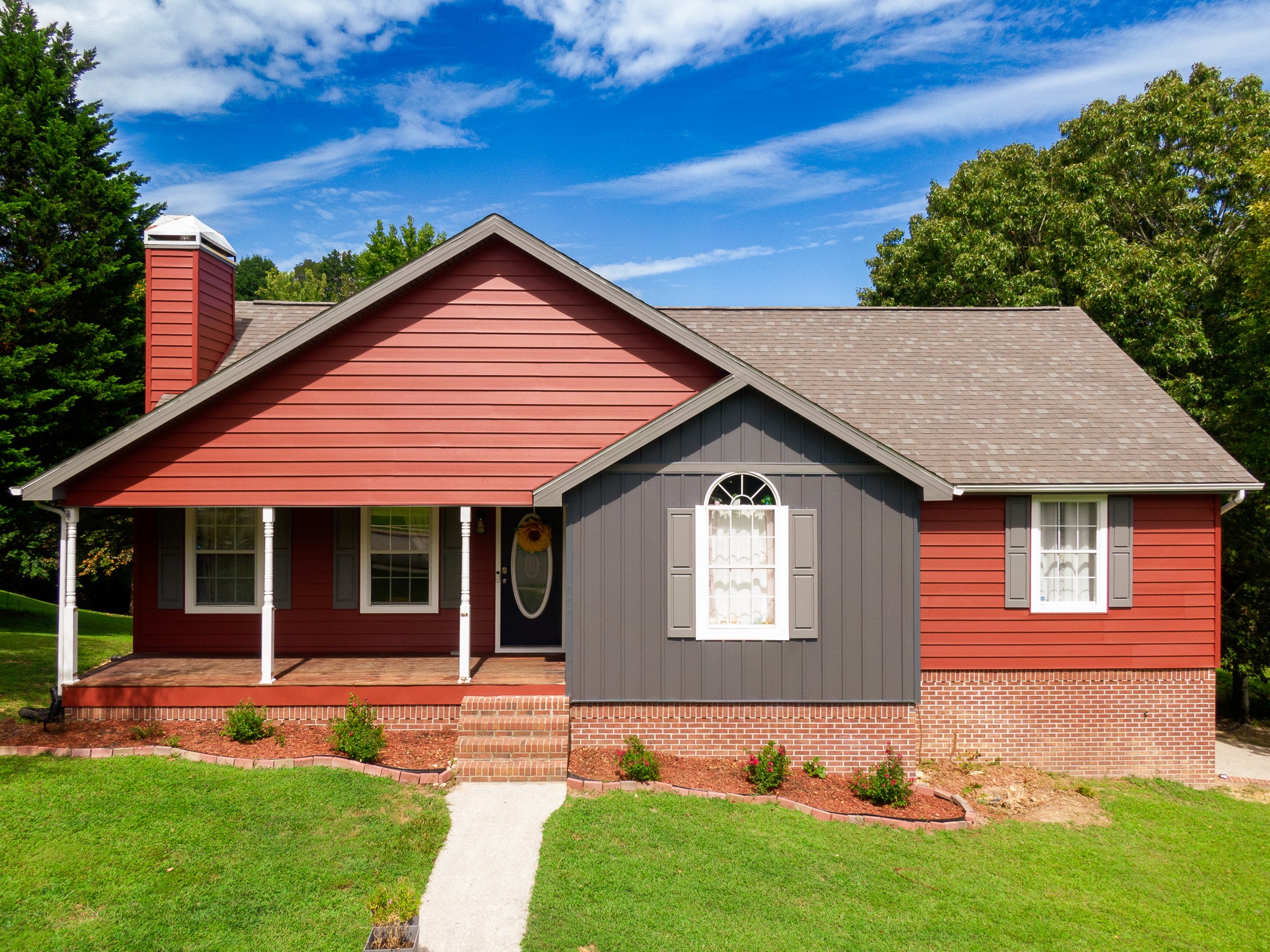
after craneboard siding

How to Keep Your Siding Project on Budget

  • Get a detailed, written quote. It should list material, trim, house wrap, tear-off, disposal, and how rotted wood will be priced if it’s found.
  • Ask about wood replacement pricing up front. A per-sheet or per-foot price for rot repair avoids surprises.
  • Bundle projects. Doing siding with windows or gutters at the same time saves on setup and gives you a cleaner finish around the openings.
  • Check insurance. Hail and wind damage may be covered. Have a contractor inspect before you file a claim. See how to spot storm damage.
  • Use financing if it helps. Monthly payments can make a better material affordable. See how to finance your exterior project.

Frequently Asked Questions

What are the average costs to replace siding in Chattanooga?

For a typical Chattanooga home in 2026, expect about $18,000–$25,000 for standard vinyl, $25,000–$35,000 for insulated vinyl, $32,000–$45,000 for James Hardie fiber cement, and $38,000–$50,000 for Everlast composite. Size, number of stories, tear-off, and hidden rot are the biggest factors.

How much does it cost to repair siding in Chattanooga?

Most small siding repairs cost $350 to $1,500. If water has rotted the sheathing or trim behind the siding, repairs often run $1,500 to $5,000 or more.

Is it cheaper to repair or replace siding?

Repair is cheaper for small, isolated damage on newer siding. If more than about 20–30% of the siding is damaged, or it’s Masonite or hardboard that is rotting, replacement is usually the better value.

What is the cheapest siding to install in Chattanooga?

Standard vinyl has the lowest upfront cost. Insulated vinyl costs more but is stiffer, more impact-resistant, and helps with energy efficiency.

Does homeowners insurance pay for siding replacement?

Insurance often covers siding damaged by hail, wind, or falling trees. It does not usually cover wear, rot, or age-related failure. A contractor inspection can help you know whether filing a claim makes sense.

How long does siding replacement take?

Most homes take about one to two weeks once materials arrive, depending on size, weather, and how much rot repair is needed.

Do you offer financing for siding?

Yes. Armor Xteriors offers financing options for siding projects. Ask about current specials and financing when you schedule your estimate.

Get an Exact Price for Your Home

Every home is different, and the only way to get a real number is to have someone look at your walls. Armor Xteriors is a locally owned siding company based at 7401 E. Brainerd Rd. in Chattanooga (TN License #85550), serving the Chattanooga metro and North Georgia. We’ll measure your home, check for hidden damage, and give you side-by-side pricing on vinyl, Craneboard, Hardie, and Everlast, with no pressure. Call (423) 760-3333 or learn more about our siding services.
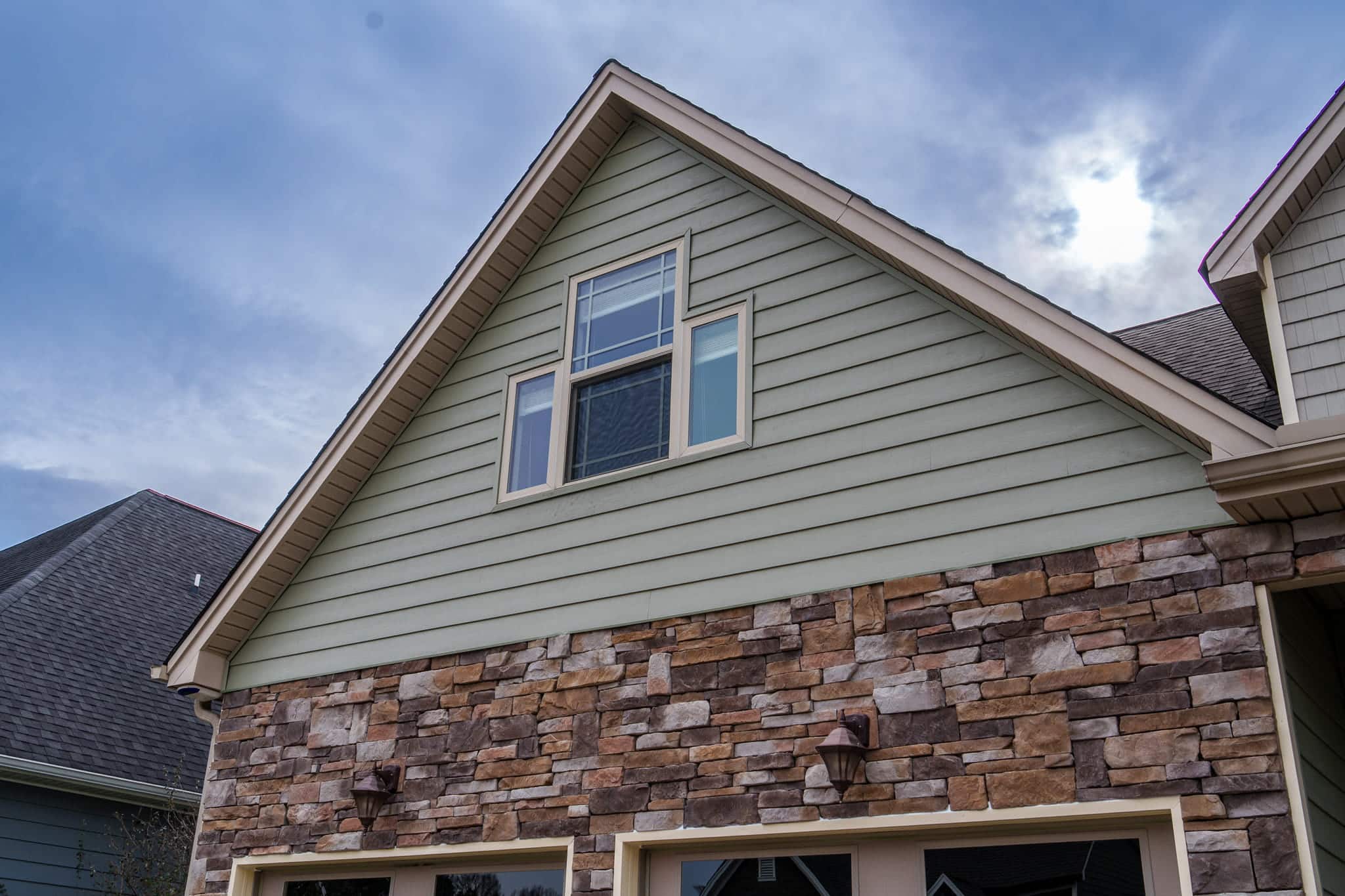
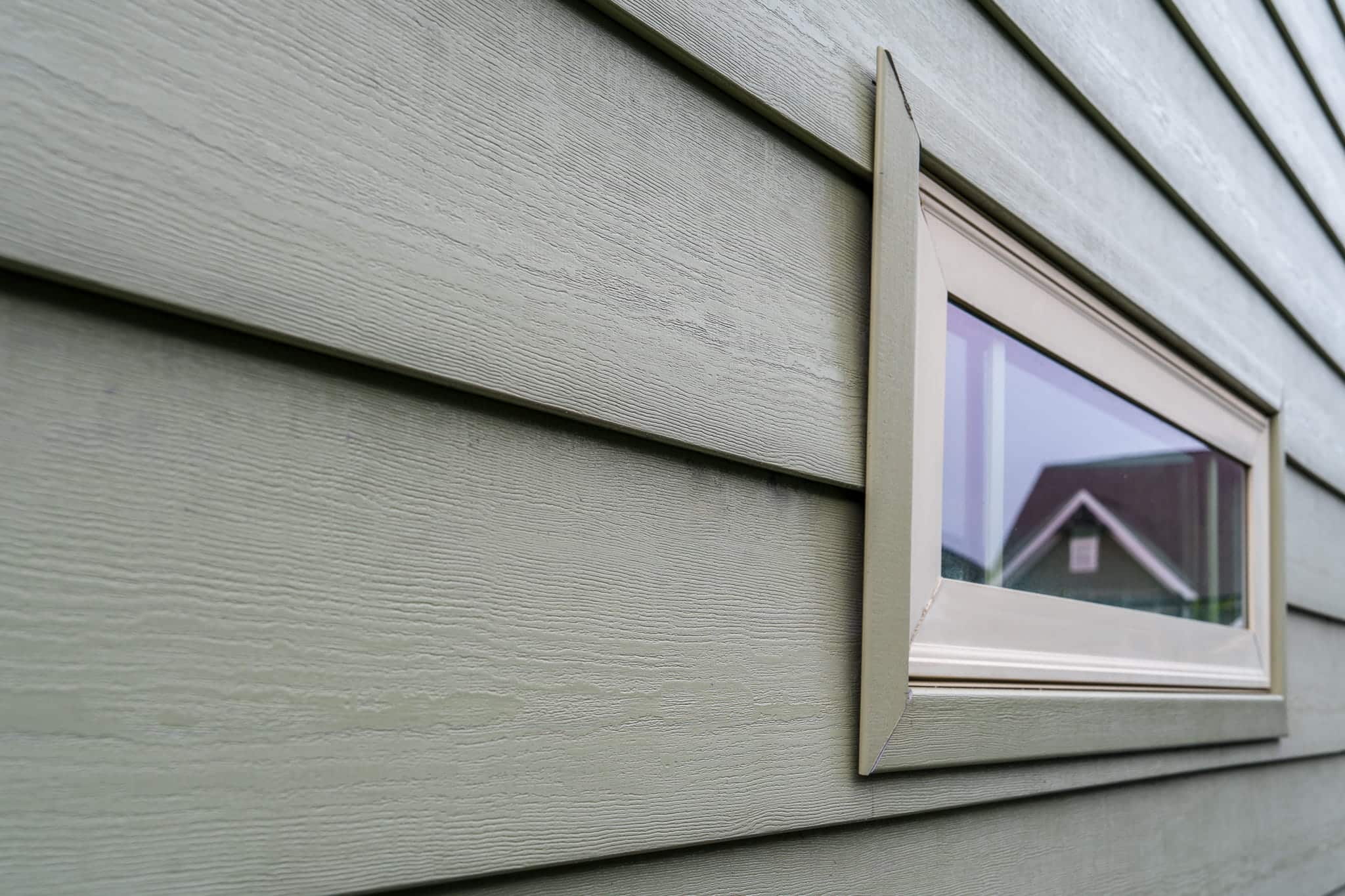
Everlast Composite Siding vs. Vinyl vs. James Hardie: A Chattanooga Case Study

Everlast composite siding is a premium, paint-free siding that sits between vinyl and James Hardie fiber cement. It’s much thicker and more rigid than vinyl, and unlike fiber cement it never needs repainting or caulking. Its transferable Lifetime Performance Warranty includes Lifetime Fade Protection and coverage against hail damage. For Chattanooga homeowners who want a real-wood look without future upkeep, it’s often the best long-term value.

The Project: A Middle Vallery Exterior Transformation

When these Middle Valley homeowners reached out to Armor Xteriors, their early 2000’s home had the orginal vinyl siding that was warping, rot near the gutters, faded and chalky, cracked panels after a storm. They had already gotten quotes for two options:

  • Vinyl siding, the most affordable choice
  • James Hardie fiber cement, the name they heard most often

They wanted to know which one would hold up better in Chattanooga’s humid summers, heavy rain, and occasional hail. They also didn’t want to repaint or replace the siding again.

everlast siding project middle valley 2

Everlast 7” Lap Siding – Color: Willow w/Antique Ivory

Why Vinyl Wasn’t the Right Fit

Vinyl is inexpensive and low-maintenance, but it’s thin. Standard vinyl panels are only a fraction of an inch thick, which means they can:

  • Crack from impacts like hail, mowers, or kicked-up debris
  • Look wavy as panels expand and contract in the heat
  • Show visible overlapping seams that don’t look like real wood

The homeowners wanted something that looked and felt more substantial.

Why They Hesitated on James Hardie

James Hardie is a strong product, and we install it too. All Hardie fiber cement products carry a 30-year non-prorated warranty, and ColorPlus factory finishes come with a 15-year limited warranty covering paint and labor against peeling, cracking, and chipping. Fiber cement is also noncombustible, which is a real advantage.

The homeowners’ concern was upkeep. The Hardie board itself lasts a long time, but the painted finish is only warranted for 15 years. Over the life of the home, that usually means repainting and resealing seams. They wanted to avoid that ongoing maintenance.

Why They Chose Everlast Composite Siding

After seeing samples side by side, the homeowners chose Everlast. Here’s what decided it.

It’s thick and solid. Everlast lap siding panels measure 0.225 inches thick, and the board-and-batten profile is 0.325 inches. That’s roughly five times thicker than typical vinyl, so it feels like a real plank rather than a hollow panel.

It never needs painting. Everlast’s color is applied as a capstock that becomes part of the board, not as paint sitting on the surface. There’s nothing to peel or flake.

It shrugs off moisture. Everlast is water resistant and contains no organic material, so it won’t swell, warp, bow, or rot, and wood-boring insects can’t damage it. That matters in a rainy, humid climate like ours.

It looks like real wood. Because Everlast doesn’t expand and contract the way vinyl does, its seams are butt-joined rather than overlapped, giving the wall a cleaner, more natural look.

The warranty is stronger. The Lifetime Performance Warranty is transferable, the ColorHold UV-stable acrylic polymer provides Lifetime Fade Protection, and hail damage is also covered, which homeowner’s insurance may not include.

everlast siding project middle valley 2

Everlast 7” Lap Siding – Color: Willow w/Antique Ivory

Vinyl James Hardie Everlast Composite
Material PVC Fiber cement (cement + wood fiber) Mineral/stone + polymer resin
Feel Thin, flexible Thick, rigid, heavy Thick, rigid, lighter than fiber cement
Painting needed? No Eventually (after the finish warranty period) No
Moisture/rot resistance Good Good if properly sealed Excellent, no wood content
Seams Overlapped Caulked/butt-joined Butt-joined, no caulk
Fire resistance Low Noncombustible (best) Lower than fiber cement
Warranty Varies by brand 30-yr product, 15-yr finish

The Result

  • Profile and color: [e.g., 7″ lap in ___ with ___ trim]
  • Project size and timeline: A new exterior in less than a week.
  • What changed: The rotted sections were replaced, new house wrap was installed, and the curb appeal transformation was dramatic.
everlast siding project middle valley 2

Everlast 7” Lap Siding – Color: Willow w/Antique Ivory

Frequently Asked Questions

What is Everlast siding made of?

Everlast combines inorganic minerals, polymer resins, and acrylic colorants into a thick, solid siding board. It contains no wood fibers, which is why it doesn’t absorb water or rot.

Is Everlast better than James Hardie siding?

It depends on your priorities. Everlast wins on maintenance: it never needs painting, and its finish warranty is lifetime rather than 15 years. James Hardie wins on fire resistance. Everlast may not be as flame-resistant as fiber cement, which matters more in wildfire-prone regions than in Chattanooga.

How does Everlast siding cost compare to Hardie and vinyl?

Everlast costs more than traditional vinyl siding. It’s generally priced in the same premium tier as James Hardie with a factory finish. When you factor in never repainting, Everlast often comes out ahead over the life of the home.

Vinyl vs. Hardie siding: which is better?

Vinyl is the budget option: low-maintenance, but thin and more prone to cracking and fading. James Hardie is thicker and more durable, but its painted finish will eventually need attention. If you like Hardie’s look but not its upkeep, Everlast is worth comparing.

What warranty does Everlast siding have?

Everlast offers a transferable Lifetime Performance Warranty with Lifetime Fade Protection, and it’s warranted against hail damage. Coverage depends on the siding being installed by a licensed contractor exactly to manufacturer specifications, so choosing an experienced installer matters.

Is Everlast siding good for Chattanooga’s climate?

Yes. Chattanooga’s humidity, heavy rainfall, and occasional hail are exactly the conditions where a moisture-proof, hail-warrantied, paint-free siding pays off.


If you’re still weighing siding materials before committing, our full siding comparison guide breaks down vinyl, Hardie, Everlast, and Craneboard side by side.

Thinking About Everlast Siding in Chattanooga?

Armor Xteriors installs Everlast composite siding, James Hardie, and vinyl throughout Chattanooga, including Hixson, Signal Mountain, Lookout Mountain, and Harrison. We’ll bring samples of all three so you can compare them in person and choose what fits your home and budget. Schedule your free siding estimate →

How to Finance Your Exterior Remodeling Project in Chattanooga

An exterior remodel, whether it’s a new roof, energy-efficient windows, or modern siding, is one of the best ways to boost your Chattanooga home’s curb appeal and resale value. However, these projects are significant investments.

If you’re ready to upgrade but aren’t sure how to cover the costs, here are the best ways to finance your home exterior project in the Scenic City. Read more

Why Hiring a Licensed Contractor in Chattanooga Matters More Than You Think

If you’re planning a roofing, siding, deck, or window project in Chattanooga, choosing the right contractor isn’t just about price or availability, it’s about protection.

And one of the biggest mistakes homeowners make?

Hiring someone who says they’re licensed… but isn’t properly licensed for the work, or worse, doesn’t pull permits at all.

Let’s break down why this matters, especially here in Chattanooga and the surrounding North Georgia area. Read more

Armor Xteriors Is Your Local EPA Lead-Safe Company

If you live in a home built before 1978 (before lead-based paints were outlawed), there is a good chance your home contains lead-based paints and plumbing, unfortunately. The older a home is, the higher the risk of lead being present and posing potential harms, particularly during the dusty, messy business of remodeling. So, if you’ve been eyeing an older, historic beauty as a fixer-upper, or you want to have your older home remodeled, it is absolutely essential to your family’s safety to have it done correctly by a remodeling firm with expertise in lead removal and containment. Read more

Common Masonite Siding Problems (And the Best Replacement Options)

Masonite and presswood hardboard siding were widely installed in past decades, but they are notorious for absorbing moisture, buckling, and rotting over time in humid environments. Patching or repainting compromised Masonite is usually a temporary fix. If you are experiencing severe wood rot or water intrusion, explore our full range of durable siding replacement options—including fiber cement, composite, and vinyl — see our full comparison of vinyl siding vs. Masonite—engineered to protect your home permanently.

The Hidden Risks of Masonite Siding: What Every Homeowner Should Know

Popularized in the 1980s and early ’90s as a cost-effective alternative to natural wood, Masonite siding—often called “hardboard”—was once the industry standard for those seeking a premium look without the high price tag. Manufactured from wood fibers, wax, and resins bonded under intense heat and pressure, it promised durability and low maintenance.

Unfortunately, time has revealed significant structural flaws. Today, Masonite is widely known for its susceptibility to moisture and premature failure, leading to numerous class-action lawsuits and a general shift toward more reliable materials. If your home still features hardboard siding, here are the critical issues you may be facing. Read more

2026 Siding Comparison Guide for Chattanooga Homeowners

Quick answer: For Chattanooga homes in 2026, vinyl is the most affordable siding (about $18,000–$25,000 for a typical home, 20–30 years), Craneboard insulated vinyl adds strength and insulation ($25,000–$35,000), James Hardie fiber cement gives a wood-like look and long life but needs repainting ($32,000–$45,000, 30–50 years), and Everlast composite costs the most but never needs painting and holds up best to our humidity ($38,000–$50,000, 40+ years). The best choice depends on your budget, how long you’ll stay, and how much maintenance you’re willing to do.

If you’re replacing siding in Chattanooga in 2026, you’re not just choosing a color.

You’re choosing:

  • Durability in Tennessee humidity
  • Long-term maintenance commitment
  • Energy efficiency
  • Curb appeal
  • Resale value

And the four materials homeowners most commonly compare are:

  • Traditional Vinyl Siding
  • Insulated Vinyl (Craneboard)
  • Fiber Cement (James Hardie)
  • Composite Siding (Everlast)

Let’s break down how each performs specifically in the Chattanooga climate.

Read more

How to Choose the Best Siding Color for Your Home: 10 Tips

Your home’s siding is the handshake of your property—it’s the first thing neighbors and guests notice. Choosing the right color isn’t just about “looking good”; it’s about protecting your investment and boosting curb appeal in our unique Tennessee landscape.

At Armor Xteriors, we help homeowners navigate the thousands of options available today. Here are our top 10 tips for choosing a siding color you’ll love for decades.

Read more

Why Everlast Composite Siding Is A Smart Choice for Homeowners

When it comes to protecting and enhancing the exterior of your home, siding plays a crucial role. Chattanooga homeowners face a unique set of challenges due to the region’s fluctuating climate—hot, humid summers, and cold, damp winters. Over time, traditional siding materials like wood and vinyl may wear down, lose their luster, and require extensive maintenance or repairs. Read more

The Benefits of Crane Board Siding for Signal Mountain Homes

Signal Mountain, nestled in the heart of Tennessee, is known for its stunning natural beauty, close-knit community, and charming homes. As a homeowner in this idyllic locale, maintaining the aesthetic and structural integrity of your property is paramount. One of the key decisions you’ll face is selecting the right siding for your home. While James Hardie siding has long been a popular choice, many homeowners are discovering that Crane Board siding offers superior benefits, making it a better long-term option. (For a closer look at that popular option, see our full guide to James Hardie fiber cement siding.) Read more